

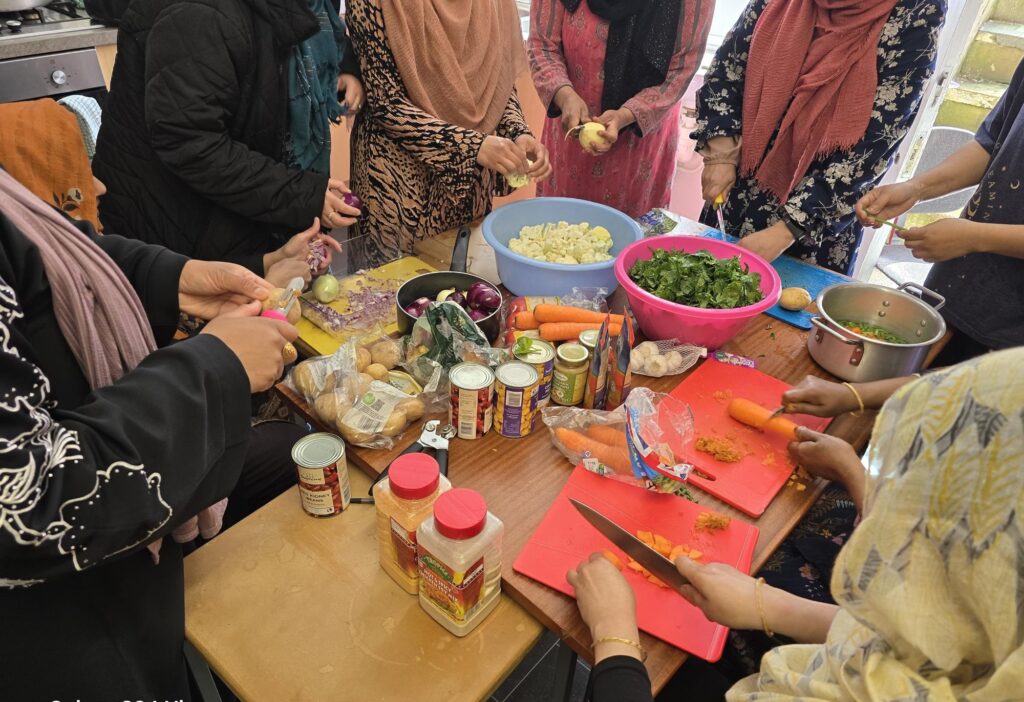
A community cooking project has brought together 26 women from different cultures and generations, helping to tackle loneliness, celebrate heritage and open the door to new employment and business opportunities.
Women from across the community have been celebrating their cultures and sharing treasured family recipes as part of a ten-week project run by the Asha Neighbourhood Project in Beeston.
The Community Cultural Cooking Project, which ran from 6 May to 15 July 2026, brought women together every Wednesday to cook traditional dishes, share their experiences and enjoy meals with the wider community.
Funded through the Health Needs and Assets Assessment (HNAA) grant programme from Forum Central via Volition Leeds, with funding from Public Health, the project was designed to tackle health inequalities and provide a welcoming space where women could build confidence, develop skills and make new connections.
But organisers say it quickly became much more than a cooking class.
‘A place where everyone could belong’
Each week, participants planned menus, sourced ingredients, prepared food and shared a community feast.
Women brought recipes and cooking traditions from their different countries and backgrounds, creating opportunities to learn about one another’s cultures while enjoying food together.
The sessions also helped women who may otherwise have experienced loneliness or isolation to establish friendships and develop a stronger sense of belonging.
“Coming here together every Wednesday bring us joy, we go back remembering our childhood seeing our mothers and aunties cooking our ethnic foods. Today we stand here in Asa reliving it all. The fragrance, taste and nostalgic dishes” said one participant.
The project attracted 26 women, demonstrating a strong demand for culturally inclusive, women-only activities within the community.
The popularity of the programme even created a challenge for organisers, as the original group became too large to comfortably accommodate everyone while maintaining a safe and practical cooking environment.
To make sure nobody was left out, the group was divided into smaller sessions. Some participants also moved to a separate budget cooking programme funded by the Comic Relief Community Fund being delivered on Mondays.
The flexible approach allowed every woman to continue accessing cooking activities, social support and opportunities to learn.
Turning cooking skills into opportunities
The project also encouraged participants to look at their everyday skills in a new way.
Menu planning, budgeting, sourcing ingredients, food preparation, presentation, organisation and teamwork were all recognised as transferable skills that could support employment, volunteering or starting a small food business.
As part of the programme, the women visited a successful female-run café in Batley.
Meeting women who had established and managed their own businesses encouraged participants to think about entrepreneurship, leadership and their own potential.
The group also visited Signature Mall in Bradford, where they explored dessert and buffet food stalls and learned more about food presentation, customer service, menu ideas and the hospitality industry.
The visits helped participants see how skills developed at home could potentially become a career, business or volunteering opportunity.
Passing traditions on to the next generation
Asha’s Health Development Worker, Tahena Ahmed, commented:
“One of the most important elements of the project was the sharing of cultural heritage.
“Participants exchanged traditional recipes and cooking techniques while talking about family histories, childhood memories and the role food has played in their lives.
“It was a delight to create a project that brought women together, creating a space for meaningful conversations around family recipes and traditions that had, in some cases, been lost over generations.
“Sharing these recipes helped preserve important family histories and cultural traditions, while also encouraging women to recognise the value of the skills they already possess. Through cooking, sharing knowledge and supporting one another, the project helped women see how their existing talents could potentially be developed into future employment opportunities, including catering and food-related businesses.
“Most importantly, the project celebrated women’s knowledge, creativity and lived experience, showing that skills passed down through generations can be both a treasured part of our heritage and a valuable foundation for the future.”
This post is based on a press release issued by Asha Neighbourhood Project
While you’re here, can we ask a favour?
South Leeds Life is published by a not-for-profit social enterprise. We keep our costs as low as possible but we’ve been hit by increases in the print costs for our monthly newspaper which have doubled in the last two years.
Could you help support local community news by making a one off donation, or even better taking out a supporters subscription?
Donate here, or sign up for a subscription at bit.ly/SLLsubscribe
